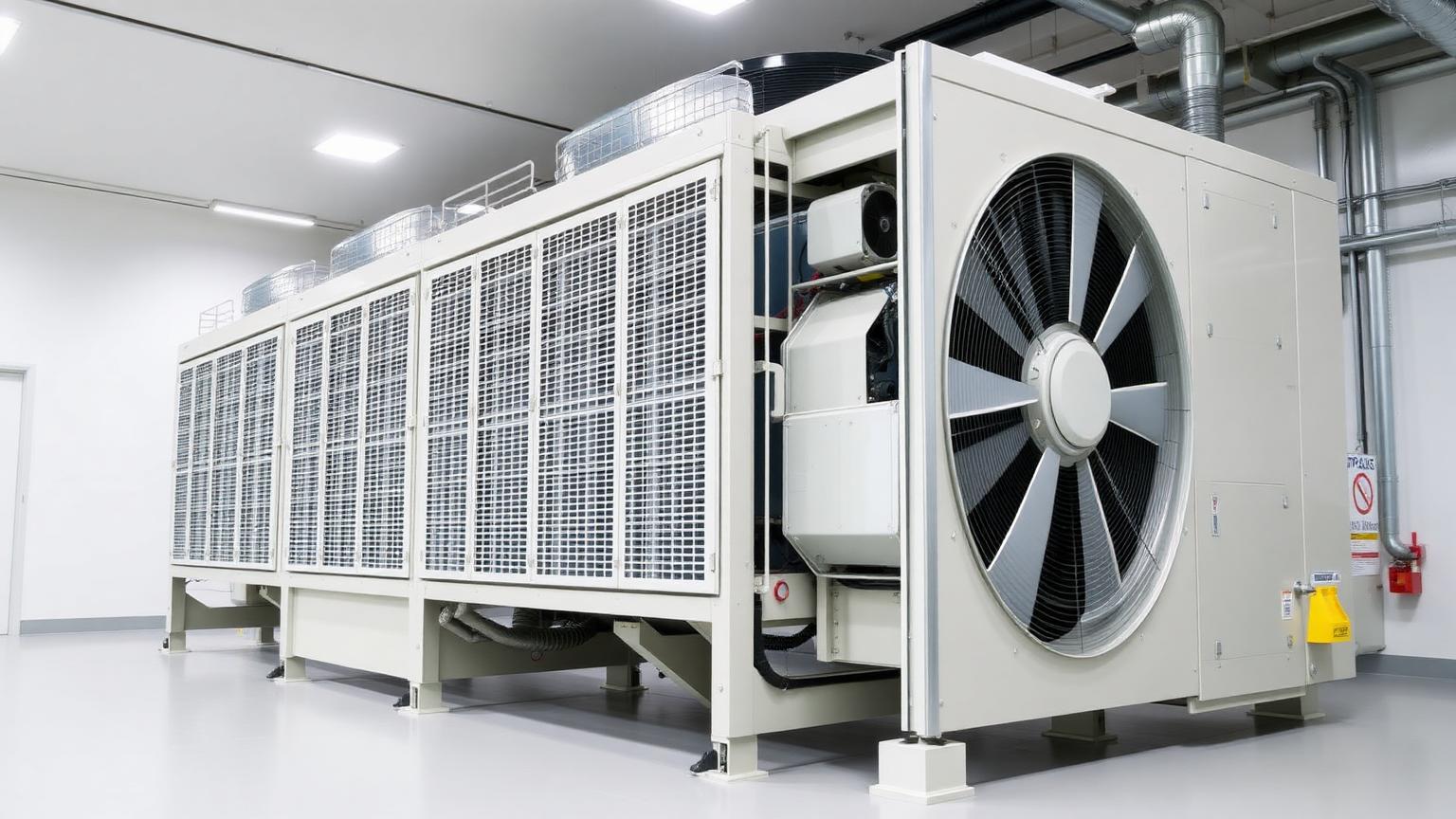
Why dedicated AHU hygiene inspections matter
Air handling units do the heavy lifting in a commercial ventilation system. Every cubic metre of supply air passes through the AHU — through filters, across coils, past drain trays and through fan housings — before reaching the occupied space. The condition of the AHU therefore sets a ceiling on the condition of everything downstream.
A dedicated AHU hygiene inspection is the most reliable way to understand the true condition of the unit independently of any cleaning proposal. The deliverable is the report and the evidence — not an upsell. Cleaning then follows where the report shows it is needed, through our AHU cleaning service.
What an AHU hygiene inspection covers
The inspection assesses each component separately and grades the unit overall:
- Coils — leading face for compacted dust, underside of cooling coils for biofilm, fin damage and pressure drop indicators.
- Drain trays — standing water, corrosion, biofilm, trap condition and slope.
- Fans and motors — scroll fouling, impeller condition, vibration indicators, bearing condition where visible.
- Filters — loading, end-of-life condition, frame seals and bypass.
- Internal surfaces — panels, insulation faces, attenuators and supply plenums.
Access and photographic evidence
Every accessible internal area of the AHU is photographed, with each image referenced in the written report. Where access doors are missing, undersized or unsafe, this is recorded along with a recommendation for access improvement. Where electrical or control panel constraints prevent safe access, this is also recorded rather than worked around. Honest reporting of what could and could not be inspected is one of the defining features of a credible AHU hygiene programme.
Condition reporting and grading
The condition report grades each major component (coils, drain trays, fans, filters, internal surfaces) and the unit as a whole. It identifies any items requiring immediate attention, any items recommended for planned remediation and any items that are simply in acceptable condition. This grading lines up with the same framework used in our broader ventilation system inspection service, so AHU inspections fit naturally into a wider hygiene programme.
Where AHU hygiene inspections fit in maintenance planning
For most commercial buildings, an annual or biennial AHU hygiene inspection is the right cadence — long enough that conditions can be tracked over time, short enough that issues are caught before they affect occupants or asset life. Inspections of this kind are particularly valuable in office ventilation systems, and they are an established part of estates-led hygiene planning across healthcare ventilation environments.
Independent reporting
Inspections are written as independent condition reports. They identify what the AHU actually needs, not what is most profitable to sell. Where no immediate cleaning is required, the report says so — and recommends an appropriate reinspection interval instead. Over time, this builds a credible hygiene evidence trail for the asset.
Book an AHU hygiene inspection
To book an AHU hygiene inspection, book an inspection, request a quote or contact us.
Get a ventilation hygiene quotation
Speak to the VentilationHygiene.org team about a TR19-aligned scope of works, a ductwork survey or a planned ventilation hygiene programme.