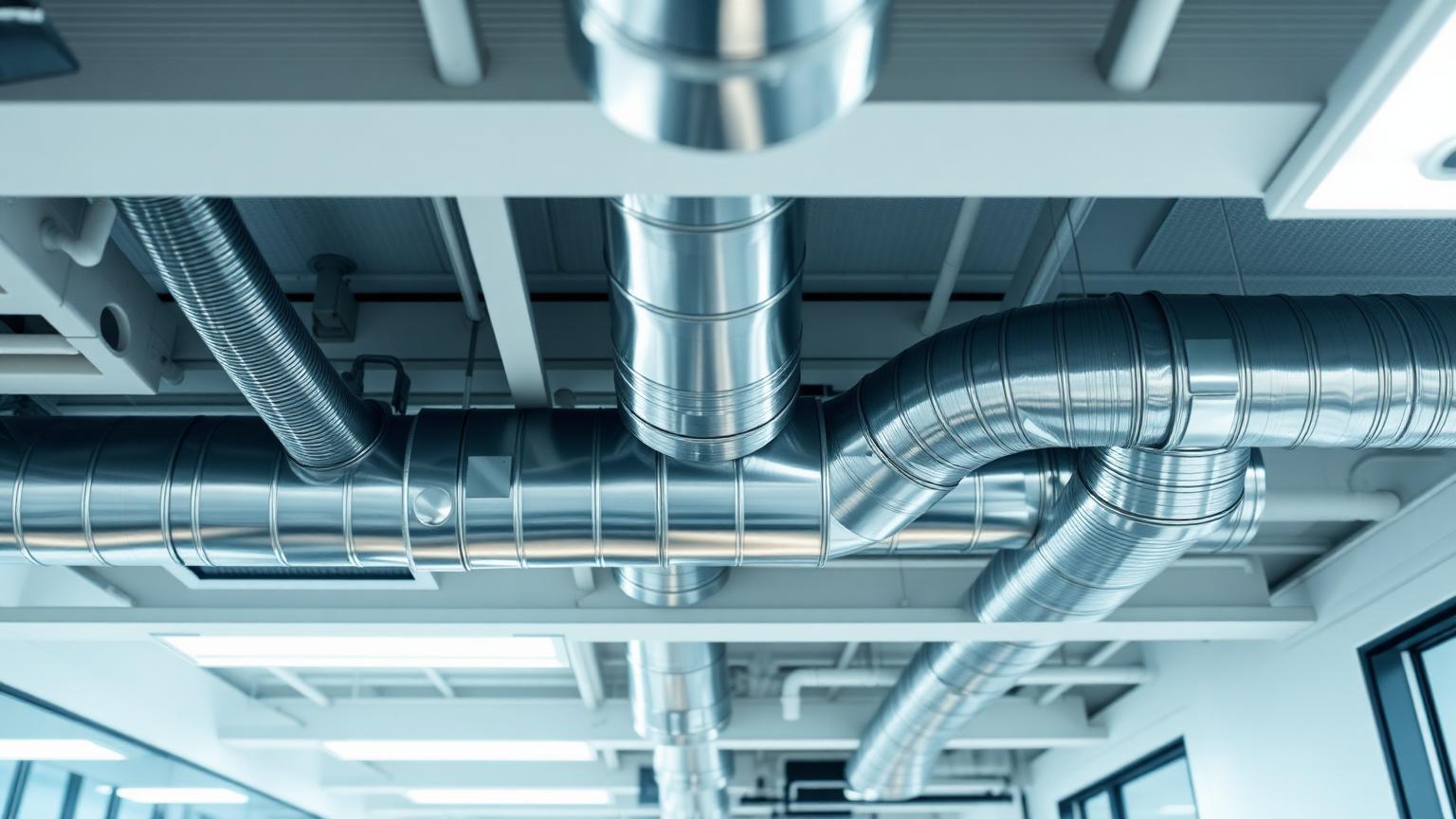
What duct hygiene actually means
Duct hygiene is the ongoing management of internal cleanliness inside a commercial ventilation system — supply, return, extract, kitchen extract, AHU internals and terminal devices. It is wider than a single duct clean: it covers how often the system is inspected, how contamination is graded, when cleaning is triggered and how the evidence is kept on file.
A well-run ductwork hygiene programme treats the ventilation system as a maintainable asset rather than a hidden one. That changes how the building performs — for the people inside it, for the compliance team, and for the operator paying the energy bill.
Hygiene risks from contaminated ventilation systems
Contaminated ductwork affects a commercial building on several fronts:
- Indoor air quality. Dust loading, biofilm and microbial growth on cooling coils and inside ductwork are re-circulated into occupied spaces, contributing to odour complaints, irritation and productivity issues.
- Fire risk. Grease deposits in kitchen extract systems are a recognised fire risk and a routine focus of fire risk assessments and insurer inspections.
- Energy performance. Fouled coils, dirty filters and reduced effective duct area increase fan power, lower heat-transfer efficiency and erode the design performance of the HVAC plant.
- System reliability. Heavy dust loading on dampers, sensors and control devices accelerates faults and unplanned downtime.
- Compliance exposure. Without a documented duct hygiene programme, it is difficult to evidence the building's position against TR19, insurer expectations or the lease.
Inspection — the foundation of duct hygiene
Every duct hygiene engagement starts with inspection. We walk the system, photograph representative duct sections, AHU internals, dampers and terminal devices, and — where the system type warrants it — take quantitative deposit measurements. The output is a clear, written hygiene survey that grades each system by contamination risk, notes any access provision issues and recommends a cleaning and re-inspection cycle that matches actual usage rather than a generic interval.
Cleaning — delivered to the BESA TR19 framework
Where cleaning is required, it is delivered to the same standard as our dedicated TR19 duct cleaning service: HEPA-extracted mechanical cleaning, access doors installed where needed, AHU internals included, and a written post-clean verification report with photographic evidence. The hygiene survey decides what gets cleaned, when, and to what cleanliness classification.
Ongoing maintenance — keeping ductwork compliant
A one-off clean returns a system to a defined cleanliness level on a single date. A planned duct hygiene programme keeps it there. Typical maintenance arrangements include:
- Annual hygiene re-inspection with refreshed risk grading
- Targeted partial cleans where individual systems trigger their criteria
- Full TR19 re-cleans at intervals appropriate to system usage
- Filter regime review and AHU hygiene checks
- Continuous documentation in a single compliance file per building
For multi-site clients we structure this as a rolling, portfolio-wide programme so spend is predictable and no system is forgotten.
Get a duct hygiene survey
To start a duct hygiene programme — single site or portfolio — book a survey or request a written proposal. Book an inspection, request a quote, or contact us.
Get a ventilation hygiene quotation
Speak to the VentilationHygiene.org team about a TR19-aligned scope of works, a ductwork survey or a planned ventilation hygiene programme.