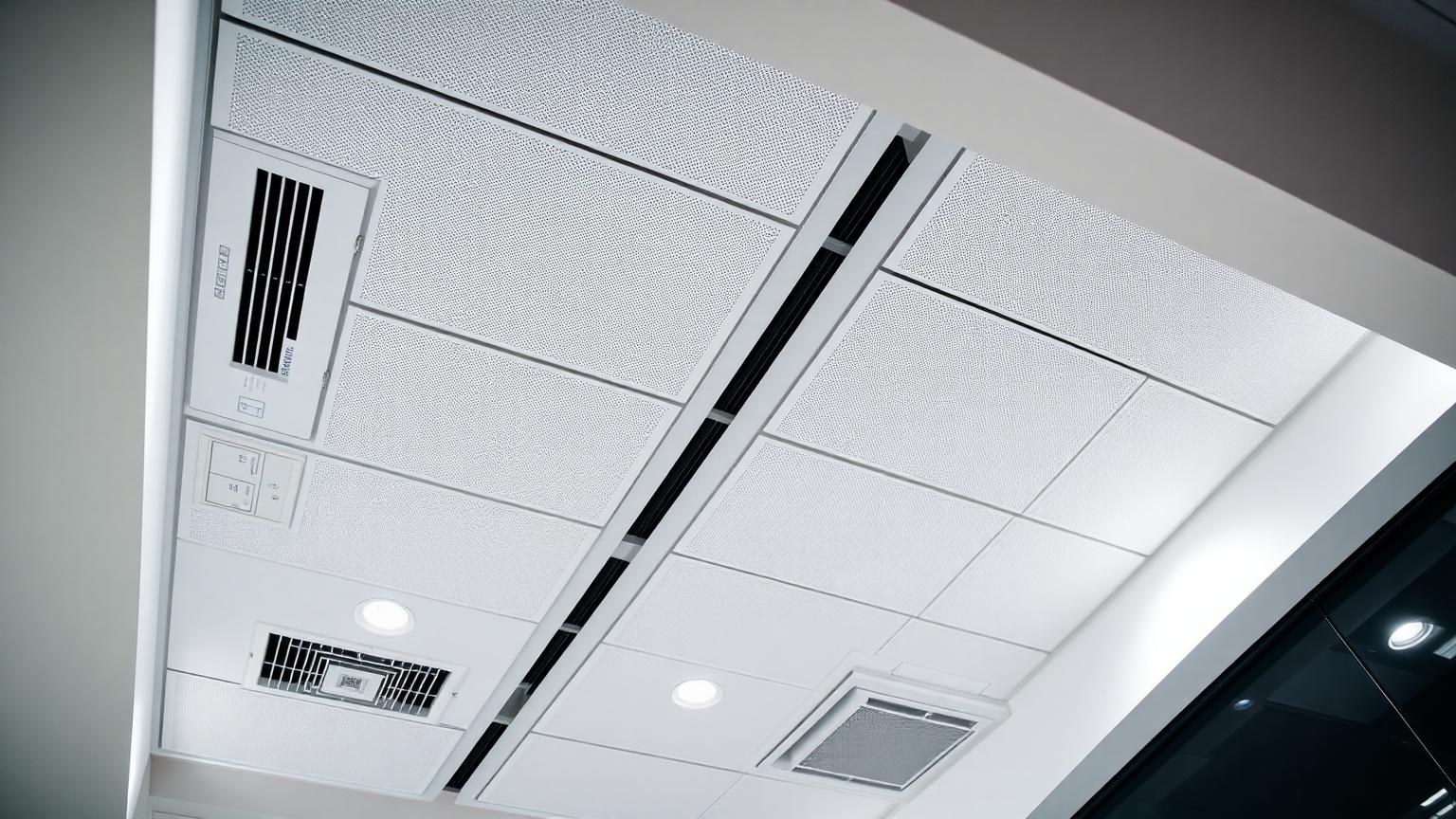
Why ventilation hygiene matters
Ventilation hygiene is the discipline of keeping ductwork, air handling units, fan coil units, extract systems and associated components in a clean, inspectable condition. It sits alongside — but is distinct from — mechanical maintenance. A system can be mechanically working perfectly while internally accumulating dust, debris, biofilm or grease.
For commercial buildings the cost of neglect is rarely sudden. It builds up: airflow drops, complaints rise, energy use creeps up, AHU coils foul, and eventually the building is committed to a reactive deep clean instead of an affordable planned programme.
Duct cleanliness and indoor environment
The internal surfaces of ductwork are part of the air path. Anything that builds up inside them — construction debris, fibrous dust, microbial residue, kitchen grease — has the potential to affect how the system performs and how occupants experience the space. Clean, well-inspected ductwork is the baseline for a credible indoor environment claim.
Our duct hygiene service is the planned, condition-based programme that keeps that baseline in place; one-off remedial cleans are covered under commercial duct cleaning.
Contamination build-up over time
Every ventilation system accumulates contamination. The questions for a building operator are: what type, at what rate, and what evidence do we have that it is being managed. In most office and managed-property settings the dominant load is dust and fibres from the occupied space; in kitchens it is grease; in some industrial settings it is process residue.
Build-up affects airflow balance, increases fan energy demand and creates an audit gap if anyone asks when the system was last inspected. Inspection-led hygiene is how that gap is closed.
Occupant confidence
Occupants, tenants and visitors increasingly ask what is being done to manage indoor air. They are not usually asking for laboratory data; they are asking for confidence that the building is being looked after. A documented ventilation hygiene programme — inspection reports, photographs, cleaning records — is one of the most direct ways for an FM team to answer that question.
Maintenance planning and asset life
Ventilation hygiene is also an asset-protection activity. Coils that are kept clean transfer heat efficiently. Filters in clean housings last closer to their rated life. Fans operating into clean ductwork run at their design point. Skipping hygiene shortens the working life of equipment that is expensive to replace.
A sensible programme combines a baseline ventilation system inspection, a risk-based cleaning frequency, and a documented record of each visit.
Commercial building operation
For landlords, managing agents and FM providers, ventilation hygiene is part of how a building is operated and handed back at lease events. A clean, well-documented system reduces dilapidations friction and supports the way the building is presented to tenants and incoming occupiers.
The opposite is also true: an undocumented system creates risk at every change of occupier, every insurance renewal and every ESG / building performance question.
How to get started
The most useful first step is almost always an inspection. It establishes the current condition, identifies missing access panels and gives the building operator a clear, photographed baseline to plan from. From there, a planned hygiene programme can be sized to the actual building.
Get a ventilation hygiene quotation
Speak to the VentilationHygiene.org team about a TR19-aligned scope of works, a ductwork survey or a planned ventilation hygiene programme.